

The Australian construction and civil engineering sectors are currently navigating a period of unprecedented activity, driven by significant government investment in infrastructure and a growing demand for residential and commercial development. However, this growth brings with it a complex set of operational challenges. For project managers and business owners, the ability to maintain visibility over a diverse range of high value assets across multiple, often remote, sites is no longer just a logistical preference; it is a fundamental requirement for project profitability. Traditional methods of tracking equipment, often relying on manual spreadsheets or verbal reports, are increasingly insufficient in an environment where delays can lead to astronomical costs.
The core of the challenge lies in the sheer variety of assets involved in modern civil projects, from heavy earthmoving machinery and specialised paving equipment to smaller tools and mobile site offices. Without a centralised and automated system for tracking these assets, businesses face significant risks including theft, underutilisation, and costly downtime due to poor maintenance scheduling. This article examines the strategic role of advanced asset tracking technology in the construction industry, providing expert insight into how data can be leveraged to streamline operations, enhance security, and improve the overall accuracy of project timelines in the Australian context.
The Complexities of Modern Construction Site Management
Managing a large scale construction site involves coordinating a vast array of moving parts. Assets are frequently moved between different locations, shared between subcontractors, or left on remote sites where security may be limited. This decentralised nature of operations often leads to a visibility gap, where management lacks real time information on the exact location and status of their equipment. When a specific machine is needed but cannot be located quickly, the resulting delay impacts not just that single task but ripples through the entire project schedule.
According to the Civil Contractors Federation (CCF) National Infrastructure Report, the efficiency of plant and equipment use is a primary driver of project margins. When assets are not tracked effectively, the risk of “ghost assets” increases: items that remain on the books but are not actually available for use or have been lost. By implementing a robust asset tracking solution, businesses can eliminate this ambiguity. Real time visibility allows managers to see exactly where every piece of equipment is situated, ensuring that resources are deployed where they are needed most and reducing the need for costly, last minute rentals.
Bridging the Visibility Gap with Real Time Data
The transition from manual tracking to a digital, data driven approach is a transformative step for any construction business. Modern asset tracking systems utilise a combination of GPS technology and cellular or satellite connectivity to provide a continuous stream of location data. For Australian companies operating in regional or remote areas where cellular coverage may be inconsistent, the ability to use satellite enabled tracking ensures that no asset is ever truly off the grid. This level of visibility is essential for maintaining a clear audit trail of equipment movement.
Beyond simple location tracking, these systems provide critical operational data such as engine hours, fuel consumption, and battery status. This information allows operations managers to move beyond knowing where an asset is to understanding how it is being used. For example, if data shows that a particular excavator has been idling for significant periods, it may indicate a bottleneck in the workflow or a need for better operator training. By bridging the visibility gap with this type of granular intelligence, businesses can make more informed decisions that directly impact site productivity and fuel efficiency.
Maximising Asset Utilisation and Reducing Hidden Costs
Underutilisation is one of the most significant hidden costs in the construction industry. It is common for high value machinery to sit idle on one site while a project manager on another site is forced to hire in similar equipment due to a perceived shortage. This lack of resource sharing across the organisation leads to unnecessary capital expenditure and reduced overall ROI on owned assets. Asset tracking data provides the transparency needed to optimise the “burn rate” of equipment across the entire business.
By reviewing historical usage patterns, managers can identify which assets are frequently underused and make strategic decisions about fleet size and composition. This data driven approach also facilitates better internal hire arrangements, where equipment is moved seamlessly between projects based on actual demand. The Australian Construction Industry Forum (ACIF) highlights that improved resource management is key to addressing the rising costs of materials and labour. Tracking assets effectively ensures that every piece of machinery is contributing to the bottom line, rather than sitting as a depreciating expense on a balance sheet.
Mitigating the Risk of Theft and Unauthorised Equipment Use
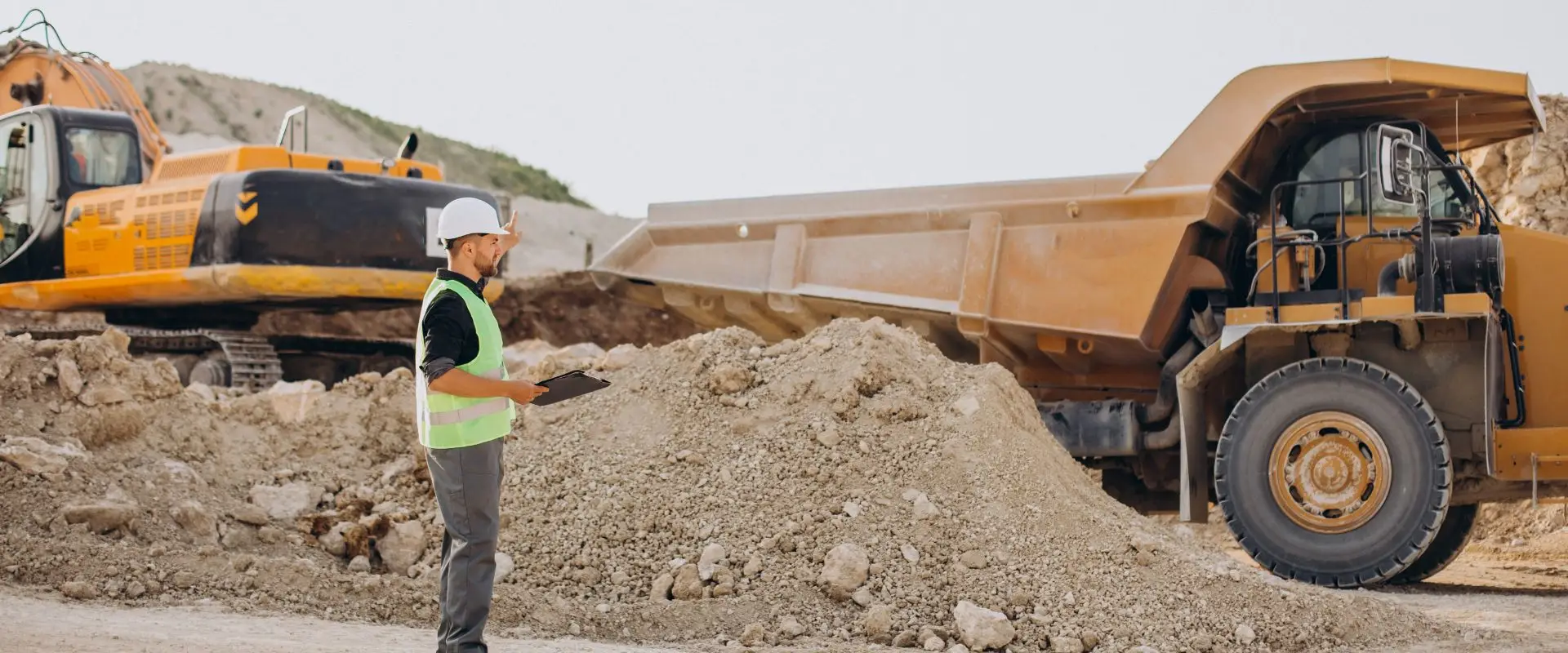
Theft remains a pervasive issue on Australian construction sites, with high value machinery being a prime target for organised crime. The cost of theft extends far beyond the value of the stolen asset; it includes the cost of project delays, increased insurance premiums, and the administrative burden of filing reports and claims. Advanced asset tracking serves as a powerful deterrent and a critical tool for recovery. Features such as geofencing allow managers to create virtual boundaries around a site or a specific storage area.
If an asset is moved outside of these boundaries during non working hours, the system can trigger an immediate alert to security personnel or management. This real time notification allows for a much faster response, significantly increasing the chances of recovering the equipment before it can be dismantled or shipped away. Furthermore, remote engine immobilisation features can prevent unauthorised use, ensuring that equipment is only operated by trained personnel during approved times. This not only protects the asset from theft but also reduces the liability associated with unauthorised or unsafe operation of heavy machinery.
Predictive Maintenance and the Preservation of Capital Assets
Reactive maintenance: repairing equipment only after it has broken down: is a costly and inefficient strategy. In the civil construction sector, a mechanical failure on a critical path item can bring an entire project to a standstill. Asset tracking technology enables a shift toward predictive maintenance, where servicing is scheduled based on actual usage data such as engine hours or mileage, rather than arbitrary calendar dates. This ensures that maintenance is performed precisely when it is needed, preventing minor issues from escalating into major failures.
Properly maintained equipment lasts longer, retains a higher resale value, and operates more efficiently. By automating maintenance alerts through the telematics platform, businesses can ensure that no service is ever missed. This proactive approach is supported by guidance from Safe Work Australia regarding the maintenance of plant and equipment, which emphasizes that regular inspections and maintenance are essential for ensuring workplace safety. A well maintained fleet is not only more reliable but also safer for operators, reducing the risk of accidents caused by mechanical failure.
Streamlining Compliance and Site Safety Requirements
Compliance with safety regulations and industry standards is a significant administrative task for construction businesses. Requirements such as pre start checks, operator logbooks, and maintenance records must be meticulously maintained to meet the standards of the National Heavy Vehicle Regulator (NHVR) and various state based safety authorities. Asset tracking systems can digitise these processes, capturing data directly from the machine and providing a secure, tamper proof record of compliance.
For example, electronic pre start checklists can be integrated into the operator interface, ensuring that a machine cannot be started until all safety checks have been completed and logged. This data is then instantly available to management, providing a real time overview of fleet compliance across all sites. This level of transparency is vital for meeting the Chain of Responsibility (CoR) obligations, as it provides clear evidence that the business is taking all reasonable steps to ensure the safety and roadworthiness of its fleet. Digitising these records also simplifies the audit process, saving time and reducing the risk of human error in manual record keeping.
The Role of Telematics in Project Timeline Accuracy
In civil engineering, project timelines are often tight and subject to heavy penalties for late completion. One of the primary causes of schedule overruns is the inefficient movement of assets or unexpected equipment downtime. Asset tracking provides the data needed to create more accurate project schedules and to adjust them in real time as conditions change. By knowing the exact location and status of every asset, project managers can plan logistics with greater precision.
Furthermore, the data captured by telematics can be used to improve the accuracy of future project bids. By analysing how long specific tasks took and which assets were used most effectively, estimators can create more competitive and realistic quotes. This feedback loop between site operations and the head office is essential for long term business growth. When a company can prove its efficiency and reliability through data, it becomes a more attractive partner for government and large scale private contracts. The Infrastructure Australia Market Capacity Report notes that technology adoption is a critical factor in improving the productivity of the national construction industry.
Conclusion: Building a Data Driven Future for Australian Civil Projects
The integration of advanced asset tracking technology is no longer an optional luxury for Australian construction and civil businesses; it is a strategic necessity. The ability to maintain total visibility over equipment, optimise utilisation, and proactively manage maintenance is the difference between a profitable project and one that is marred by delays and unexpected costs. By leveraging the power of real time data, managers can protect their assets from theft, ensure compliance with safety regulations, and improve the overall efficiency of their operations.
As the industry continues to evolve, the businesses that embrace these digital tools will be best positioned to navigate the challenges of a complex and competitive market. Hexicor Telematics, as a Platinum Partner of Teletrac Navman, provides the expertise and local support needed to implement these solutions effectively in the Australian environment. By turning raw data into actionable intelligence, construction firms can build a more resilient, transparent, and profitable future, ensuring that every asset is working as hard as the teams on the ground to deliver Australia’s next generation of infrastructure.